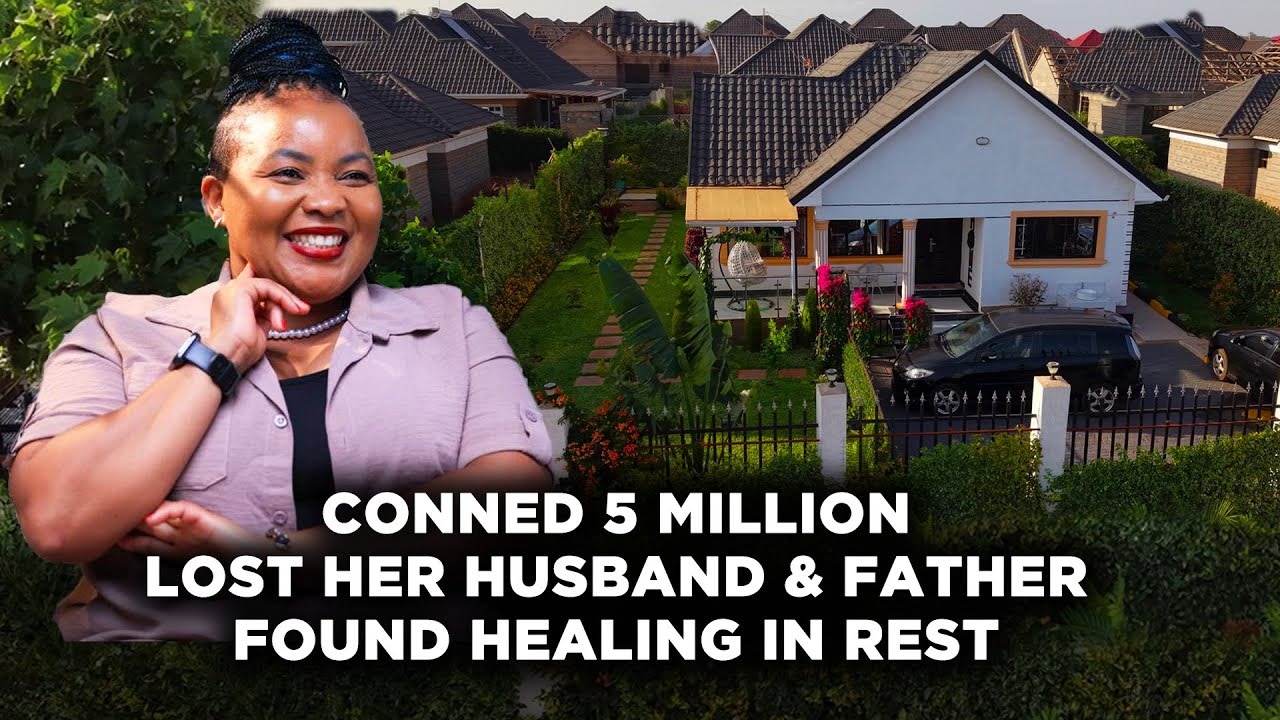
Caregiving is often described in noble language. It is framed as sacrifice, love, duty and strength. All of that may be true. What is discussed less often is what caregiving can do to the person doing it, especially when it stretches over years and is combined with financial pressure, parenting and grief. Victoria Ndunge-Wambua’s story is a sharp reminder that caregivers can disappear inside the care they provide.
In her case, the pressure built in layers. Early motherhood brought postpartum depression and a sense of fear she did not fully understand at the time. Then her husband lost his sister, later became seriously ill and needed sustained care. Then her father also became critically unwell. Victoria found herself moving between treatment, hospital updates, bills, work responsibilities, parenting and a collapsing property investment, all at once.
When care becomes a full-time identity
One of the hardest parts of burnout is that the outside world may still describe the caregiver as strong. Victoria was still showing up. She was making decisions, arranging treatment, earning, solving problems and holding conversations together. But beneath that, she says she was exhausted, emotionally overloaded and increasingly detached from herself.
That tension matters because many caregivers do not get permission to be visibly unwell. People ask after the patient. They rarely ask sustained questions about the person carrying the patient. In Victoria’s telling, that invisibility deepened the damage. She became more stressed, more depressed and more physically affected, even as she kept doing what the situation demanded.
Grief postponed is still grief
There is another form of burden in her story that many families understand instinctively but struggle to name. When her husband died, Victoria says she barely had time to grieve properly because her father was already deteriorating. By the time she buried one, she had already returned mentally to caring for the other. When her father later died too, she was not emerging from one grief into rest. She was moving from one loss into the unresolved weight of the previous one.
This is how caregivers often become trapped inside delayed mourning. The body keeps moving because there are tasks. The heart falls behind because there is no room. The result is not clean resilience. It is often a long season of functioning without relief.
The body records what the mind cannot process
Victoria links that season to anxiety, poor sleep, emotional numbness and physical changes she could not initially explain. She says doctors later ruled out several other issues and she came to see stress itself as a major part of what had been happening to her body. Whether through weight shifts, exhaustion or panic-like reactions, the message was similar: the system was overloaded.
This should matter more in public conversations about health. Burnout is not a vague weakness. Chronic stress and unresolved grief alter how people sleep, eat, think, react and recover. A caregiver can look disciplined from the outside while deteriorating from the inside.
Caregivers need care too
One reason Victoria now speaks openly about caregivers is that she wants the role to be seen more honestly. Caregivers need more than praise after the fact. They need support systems while the burden is still active. That support can look like practical help, shared decision-making, protected rest, emotional check-ins and the freedom to say they are not okay.
Her story does not suggest that love was absent. If anything, it shows the opposite. She cared deeply, and that is precisely why the strain was so high. The lesson is not that people should love less. It is that families and communities should stop treating caregivers as if they are emotionally inexhaustible.
If there is a public health question inside this personal story, it is this: how many people are quietly burning out while everyone around them applauds their strength? Caregivers should not have to collapse before their pain becomes visible.